Plastics
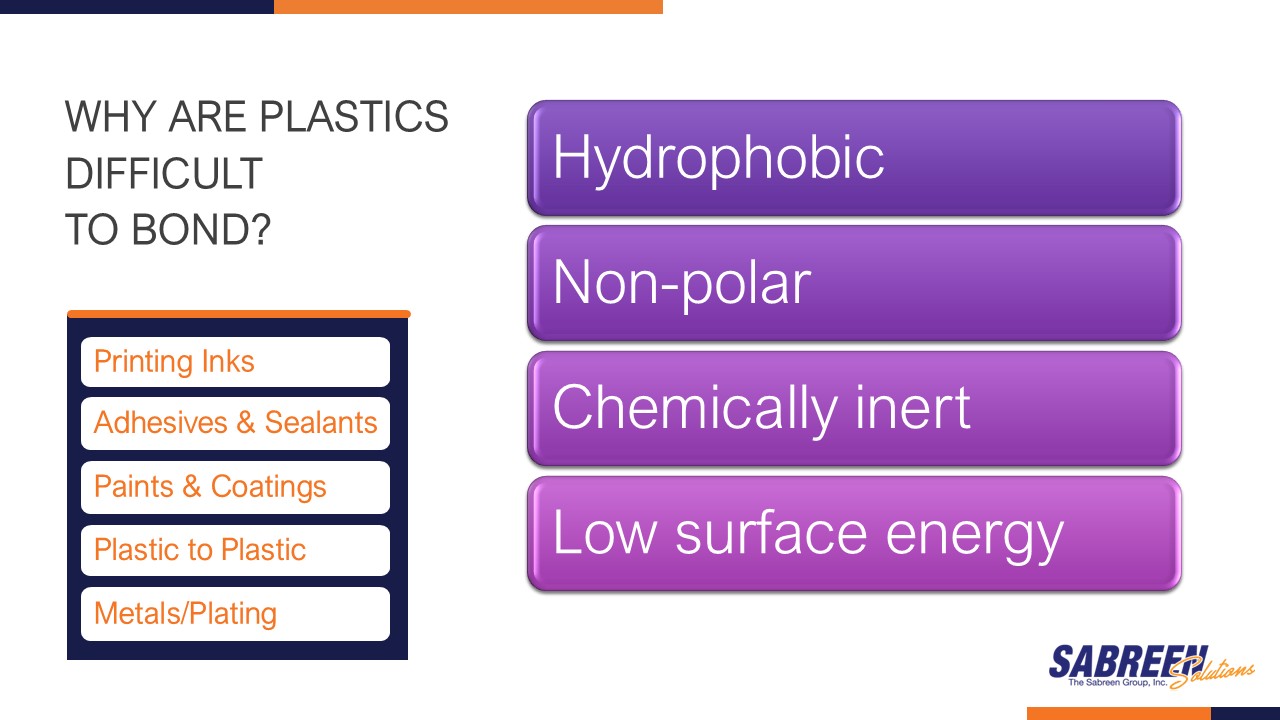
The Challenge of Bonding Polymers
Polymers often have chemically inert, non-porous surfaces with low surface energy, making them difficult to bond. Our scientific approach modifies the surface chemistry to create strong, covalent bonds where mechanical adhesion would otherwise fail.
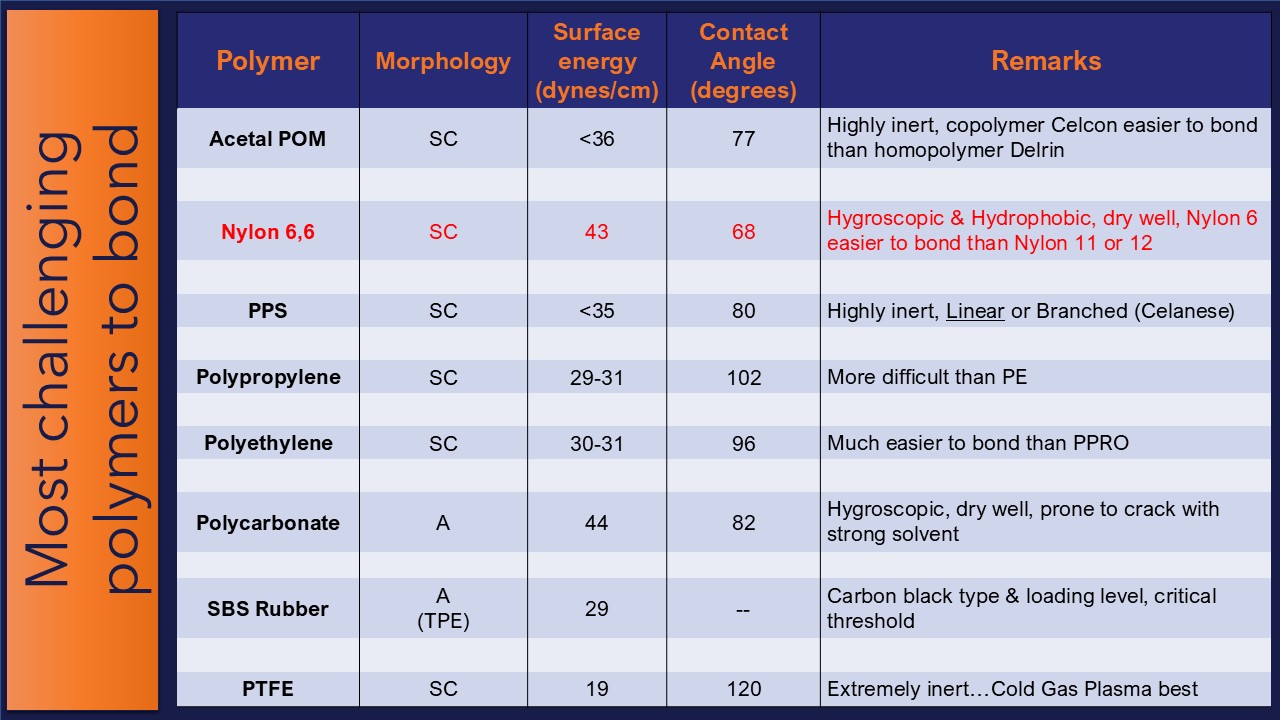
Low Surface Energy (LSE) Plastics
We specialize in adhesion promotion for difficult-to-bond plastics like Polyethylene (PE), Polypropylene (PP), and PTFE.
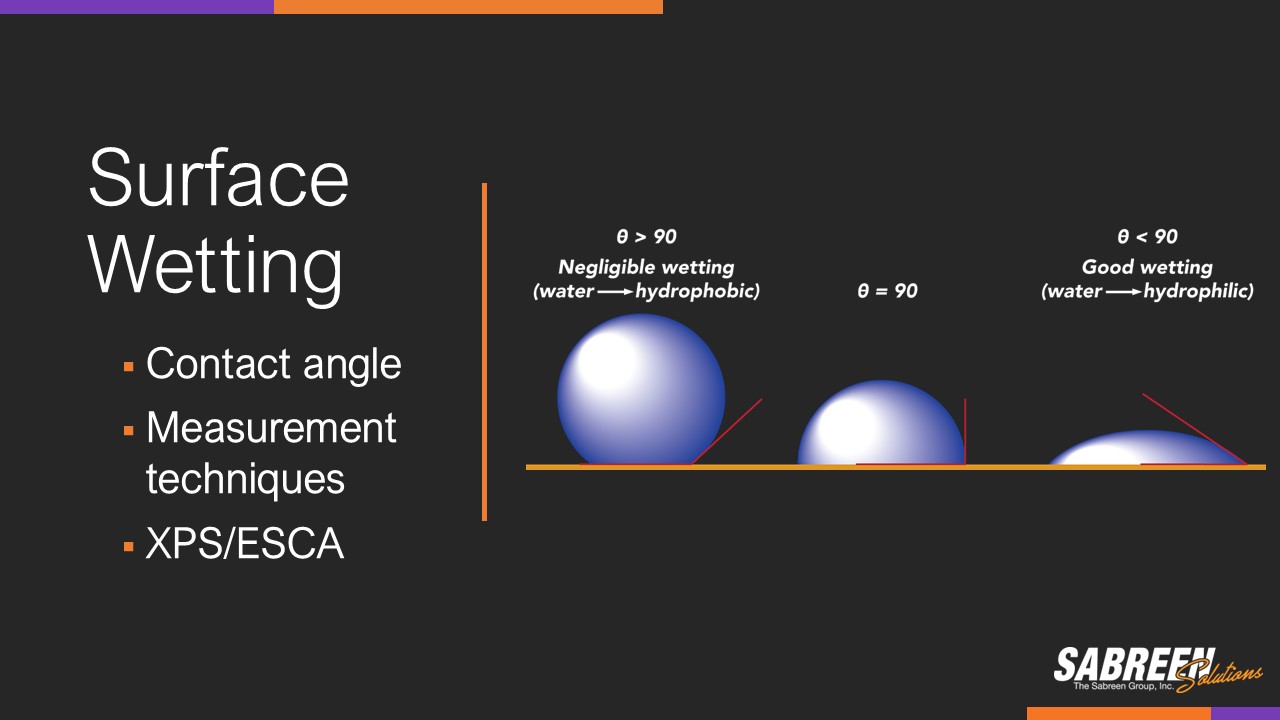
Surface Science
Utilizing advanced plasma and flame treatments to increase surface energy, improving wettability and creating reactive sites for adhesion.
Adhesive Selection
Expert guidance on selecting the right adhesives, including structural acrylics, epoxies, and cyanoacrylates for your specific polymer and application.
Common Applications in Industry
Reliable polymer bonding is essential for innovation across numerous high-tech sectors.
Consumer Electronics
Sealing enclosures for smartphones and wearables, bonding display screens, and securing internal components.
Automotive Components
Assembling interior trim, dashboards, and lighting systems, as well as bonding composite body panels.
Medical Devices
Fabricating catheters, fluid connectors, and diagnostic equipment housings with biocompatible adhesives.
Packaging Solutions
Creating flexible food packaging, laminating films, and ensuring tamper-evident seals on containers.
Bonding Plastics to Like and Dissimilar Materials
Joining polymers to metals, glass, or composites presents a unique set of challenges. Differences in surface energy, thermal expansion rates, and chemical composition require a multi-faceted approach. Success often depends on using specialized primers on the non-plastic substrate to create a receptive surface, in combination with a flexible adhesive that can absorb stress caused by thermal cycling.
Our expertise includes selecting the correct combination of surface treatments and adhesive chemistries to create a durable, resilient bond between the most dissimilar of materials, ensuring performance even under harsh environmental conditions.
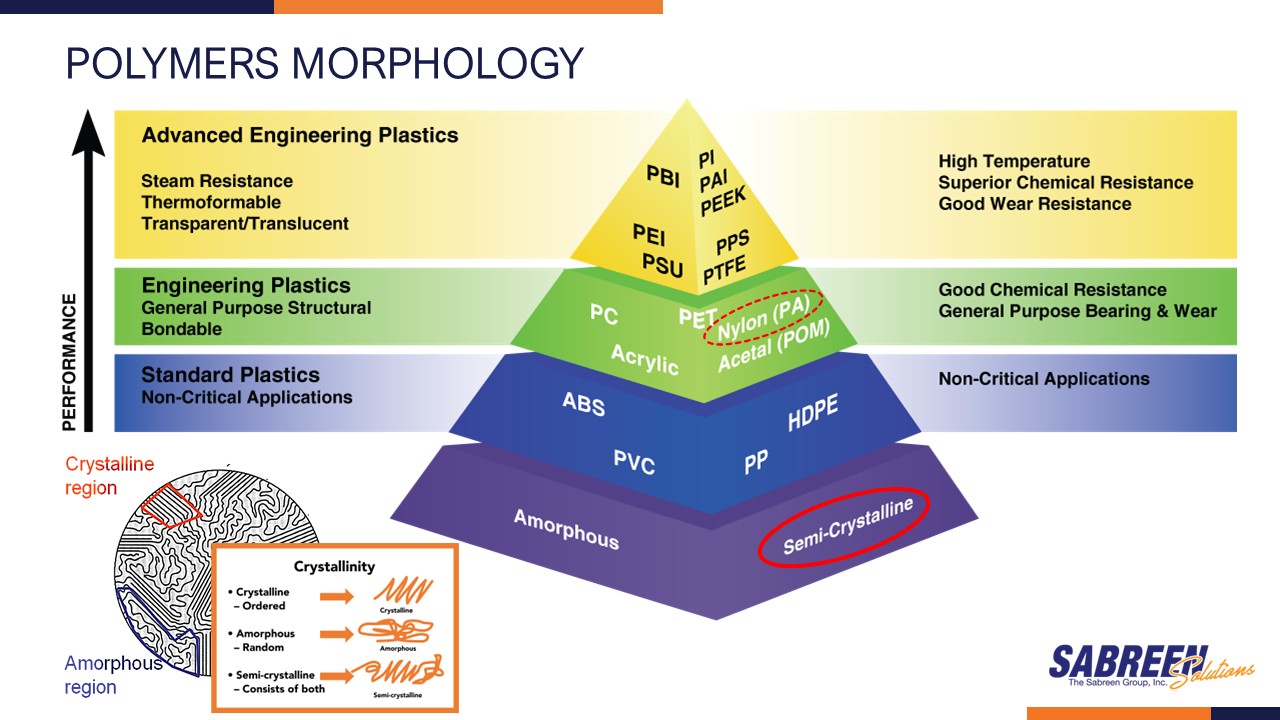
Ensuring Bond Integrity: Testing & Validation
A theoretical solution is not enough. We rigorously test and validate every bonding process to ensure it meets and exceeds performance specifications for its intended application. This provides quality assurance and critical data for process optimization.
Lap Shear Testing
We measure the shear strength of a bond according to standards like, providing quantifiable data on the ultimate load-bearing capacity of the adhesive joint.
Peel & T-Peel Tests
For flexible substrates, we assess bond strength by measuring the force required to peel apart the bonded assembly, ensuring durability against delamination.
Environmental Cycling
Bonded samples are subjected to accelerated aging tests, including cycles of extreme heat, cold, and humidity, to verify long-term performance and reliability.
Case Study
Waterproof Wearable Device Sealing
A leading electronics manufacturer faced field failures with their new smartwatch due to water ingress. The polycarbonate housing was failing to maintain a seal with the glass screen. Our team diagnosed the issue as low surface energy on the plastic, preventing the sealant from wetting out properly. By implementing a localized atmospheric plasma treatment on the housing's bonding channel, we increased the surface energy from 34 to 72 dynes/cm. This allowed the UV-cured sealant to form a complete, void-free bond, passing all submersion tests and enabling a successful product launch.
Learn More About Our Process